Comprehensive renovation and construction services

Managing basement moisture control is crucial for safeguarding both the structural stability of your home and the well-being of its inhabitants. Without proper measures, excess moisture can compromise the foundation and foster an unhealthy indoor environment due to mold growth and poor air quality. To effectively combat moisture issues, it is essential to employ a multifaceted approach, blending technological advances with traditional methods to ensure comprehensive protection.
Utilizing a variety of techniques for basement moisture control is necessary to maintain a dry and healthy space. Primarily, it involves addressing potential points of water ingress, such as sealing visible cracks in foundation walls. Additionally, modern waterproofing solutions, including the installation of sump pumps, stand out as crucial components to combat basement moisture. These elements work collectively to prevent water from accumulating and causing long-term damage.
Effective basement moisture control also benefits significantly from maintaining proper ventilation and using dehumidifiers to curb humidity levels. By ensuring air can circulate efficiently and excess moisture is removed from the air, these strategies help sustain a balanced indoor climate. As a proactive measure, regular inspections and maintenance routines should not be overlooked. Incorporating smart home monitoring systems further enhances the ability to track moisture levels and receive timely alerts, promoting early intervention and prevention.
Basement moisture control is an essential part of maintaining a safe and healthy home environment. One of the primary causes of basement moisture is poor drainage systems, which fail to efficiently direct water away from the foundation. When water collects around the foundation, it can seep into the basement, leading to potential issues such as mold growth and structural damage. Alongside drainage problems, inadequate ventilation plays a significant role in increasing moisture levels. Without proper air circulation, moisture can become trapped, encouraging mold and mildew development.
Naturally high humidity levels further exacerbate moisture problems in basements. Particularly during warmer months, humidity can rise, leading to condensation on cool basement walls and floors. This not only creates a damp environment but can also impact indoor air quality, making effective basement moisture control crucial. Identifying these common sources of moisture is the first step in developing a comprehensive moisture control plan.
Understanding the specific causes of basement moisture is key to addressing them effectively. Regular inspections can help in pinpointing problem areas, such as cracks in the foundation or seepage points. Consider these steps:
By systematically identifying these issues, homeowners can implement targeted solutions, improving basement moisture control and overall home health.
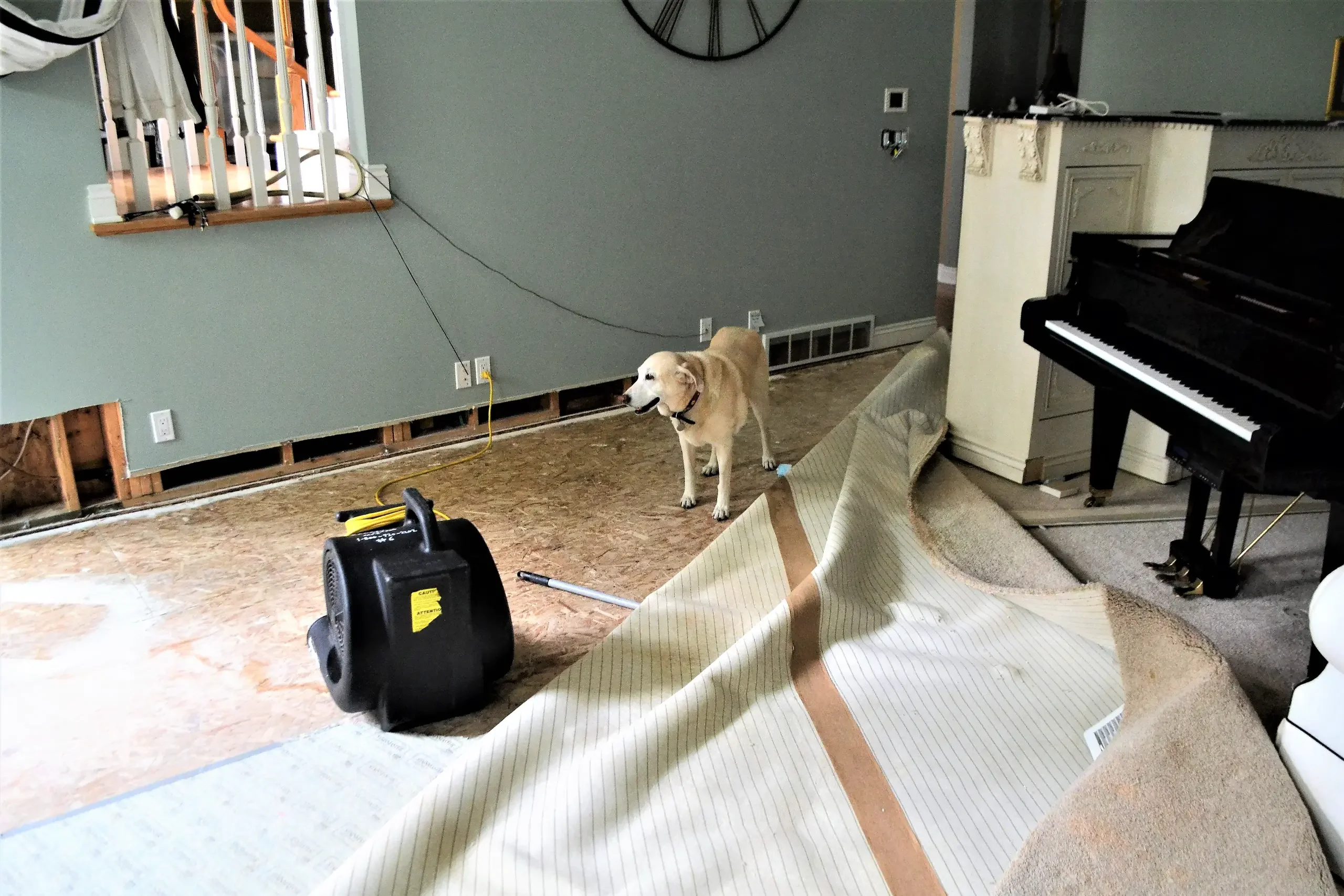
Excess moisture in basements can pave the way for significant complications, prominently mold growth and structural damage. Mold thrives in damp environments and can become a severe health concern, particularly for individuals with respiratory issues or allergies. In addition to health risks, ignoring basement moisture control can result in extensive structural damage. Moisture can weaken the foundation and lead to costly repairs.
Mold spores can spread easily in the air, presenting a consistent threat to indoor air quality. Exposure to mold can lead to symptoms such as nasal congestion, throat irritation, and skin rashes. In extreme cases, individuals with compromised immune systems may experience severe health issues. Basement moisture control is crucial to curbing these risks effectively.
Unchecked moisture can exacerbate foundational cracks, compromising the stability of the home. Over time, this can escalate into costly repairs that might include replacing beams or reinforcing walls. Implementing effective basement moisture control measures is far more economical compared to dealing with structural failures. Regular maintenance and modern waterproofing techniques can ward off such dire issues.
Overall, focusing on moisture control is essential to maintain a healthy and structurally sound home environment. Make sure to address water leakage promptly to avoid costly and health-threatening consequences.
Managing basement moisture control is vital in safeguarding your home against common issues like mold and structural damage. A key solution is employing waterproofing measures, both externally and internally. External solutions often focus on redirecting water away from the basement with effectively designed drainage systems. Internally, sealing the foundation walls plays a crucial role. These methods work together to prevent water infiltration and ensure a dry basement environment.
External waterproofing techniques center on controlling water flow around the home. A robust drainage system is essential in preventing water accumulation around the foundation. Additionally, grading the landscape to guide water away from the structure minimizes the risk of infiltration. With these strategies, homeowners can substantially reduce the chance of excess water penetrating basement walls.
The interior approach to basement moisture control includes sealing walls and using technology to maintain optimal conditions. Applying sealant to foundation walls prevents water seepage through cracks and pores. Implementing smart home monitoring systems helps keep an eye on humidity levels, offering alerts for any potential moisture issues. Together, these methods ensure an effective defense against unwanted moisture.
Regular oversight of moisture control systems guarantees their long-term effectiveness. Homeowners should frequently inspect both internal and external waterproofing measures to ensure they remain functional. Incorporating routine maintenance practices not only addresses minor issues before they escalate but also sustains a robust moisture control setup.
Identifying and sealing cracks in foundation walls is a fundamental step in basement moisture control. Cracks can form due to various factors like soil pressure and temperature changes, creating pathways for water to seep in. This water intrusion can affect basement dryness, leading to issues like mold growth and structural compromises. Therefore, pinpointing these cracks early is crucial for effective basement moisture control.
Once cracks are identified, sealing them becomes imperative. A reliable sealant can stop water in its tracks, preventing it from entering the basement and causing damage. This practice not only protects your home’s structural integrity but also contributes greatly to long-term basement moisture control, ensuring a dry and healthy living space.
Regular inspection and maintenance can further aid in basement moisture control by ensuring any new cracks are swiftly addressed. Integrating these practices into your home maintenance routine can make a significant difference in preserving your basement’s condition and functionality.
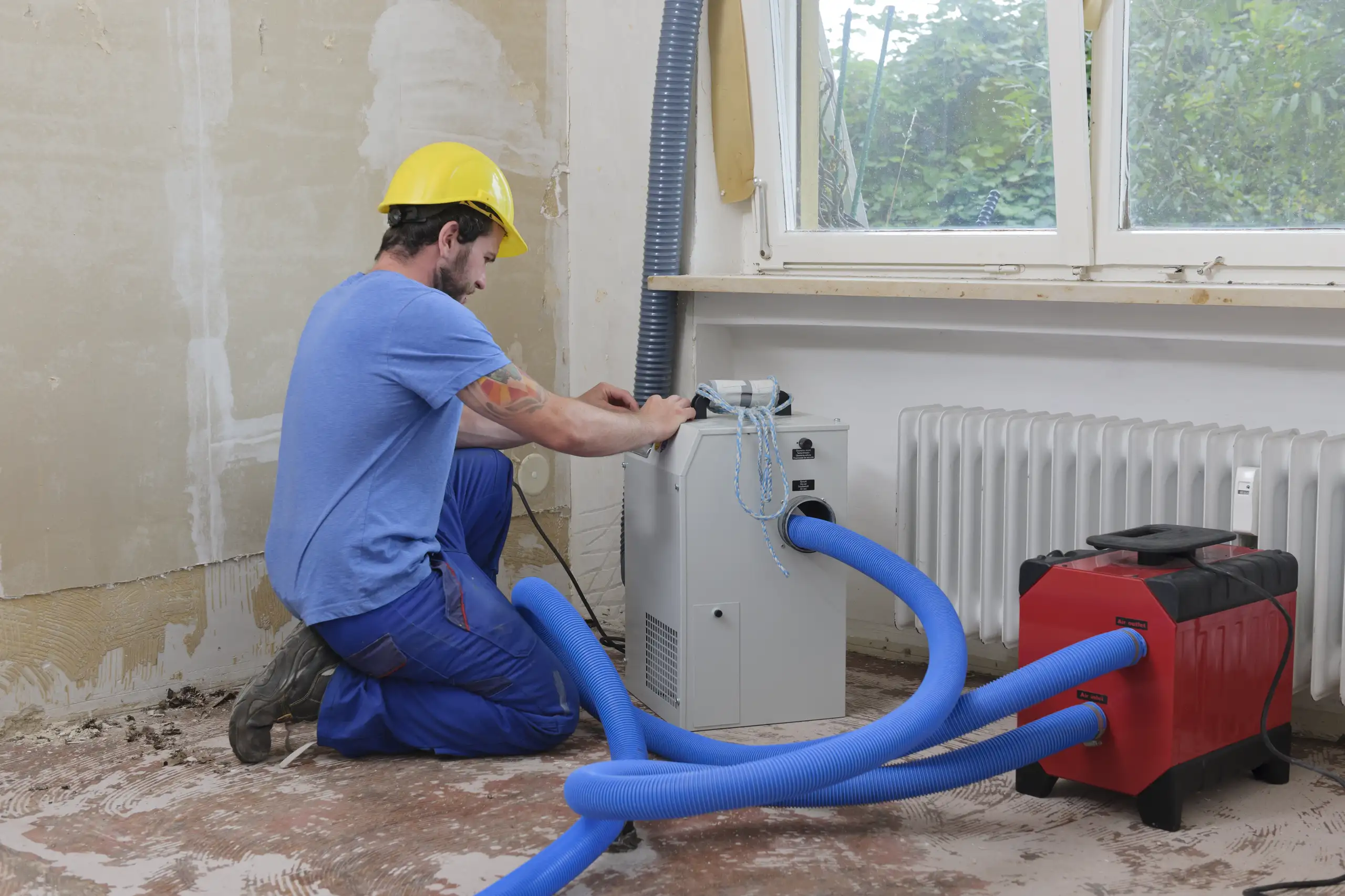
Sump pumps play a vital role in ensuring basement moisture control by effectively removing excess water that can accumulate during heavy rainfall or due to groundwater. These specialized pumps are typically installed in the lowest part of a basement or crawlspace, where they gather excess water into a pit, known as a sump basin. Once the water reaches a certain level, the sump pump activates and directs the water away from the foundation, preventing potential flooding and reducing the risks of mold growth and structural damage associated with basement moisture.
There are various types of sump pumps, each designed to meet different needs in basement moisture control. Submersible pumps, for example, are placed in water and are best suited for large volumes of water, making them highly effective for sizeable basements. Pedestal pumps, on the other hand, are easier to maintain due to their motor being mounted above the sump basin, though they may not handle as much water at once.
Implementing sump pumps as part of a comprehensive basement moisture control strategy offers numerous advantages. They help prevent basement flooding, which can save homeowners significant repair costs. By reducing moisture levels, sump pumps also protect the home’s indoor air quality. Regular maintenance of these systems ensures they remain functional and effective, safeguarding the home environment.
Improving ventilation in the basement is a key strategy for effective basement moisture control. Adequate airflow can significantly reduce the buildup of moisture, which is vital for preventing issues like mold growth and structural damage. One practical solution to enhance ventilation is the installation of vents that allow for proper air exchange. These vents can help push out stale, humid air and bring in fresh air from outside, effectively reducing humidity levels.
Another practical method to improve basement moisture control is through the use of fans. Strategically placing fans in different areas of the basement can aid in circulating air, thus preventing it from becoming stagnant. Ceiling fans or portable units can increase airflow, assisting in maintaining an ideal moisture balance. This simple solution is both cost-effective and energy-efficient.
Regular maintenance is essential to ensure that the ventilation solutions remain effective over time. Conducting routine inspections can help identify potential problems that may compromise air circulation. Ensuring that vents are not blocked and fans are in good working order will contribute to sustained basement moisture control. Regular checks can prevent minor issues from developing into serious moisture complications.
Dehumidifiers play an essential role in basement moisture control, acting as a frontline defense against excessive humidity that can lead to mold growth and structural issues. Selecting the right dehumidifier depends on the basement’s size and the severity of moisture problems. Look for units with high energy efficiency to reduce long-term costs. Opt for dehumidifiers with large water tanks or continuous drainage features to minimize maintenance.
When considering dehumidifiers, prioritize models with adjustable humidity settings to maintain control over your basement’s environment. It’s also beneficial to choose a model with an auto-restart feature in case of power interruptions, ensuring continuous basement moisture control.
Regular maintenance is crucial to ensure your dehumidifier operates effectively. Clean the filter frequently to prevent dust build-up, which can reduce efficiency. Check the water tank or drainage option regularly to prevent overflow.
In addition to using a dehumidifier, ensure proper ventilation by installing fans or vents. Seal any cracks in the foundation to prevent water entry. Invest in a hygrometer to monitor humidity levels and adjust your dehumidifier settings accordingly to maintain an ideal environment.
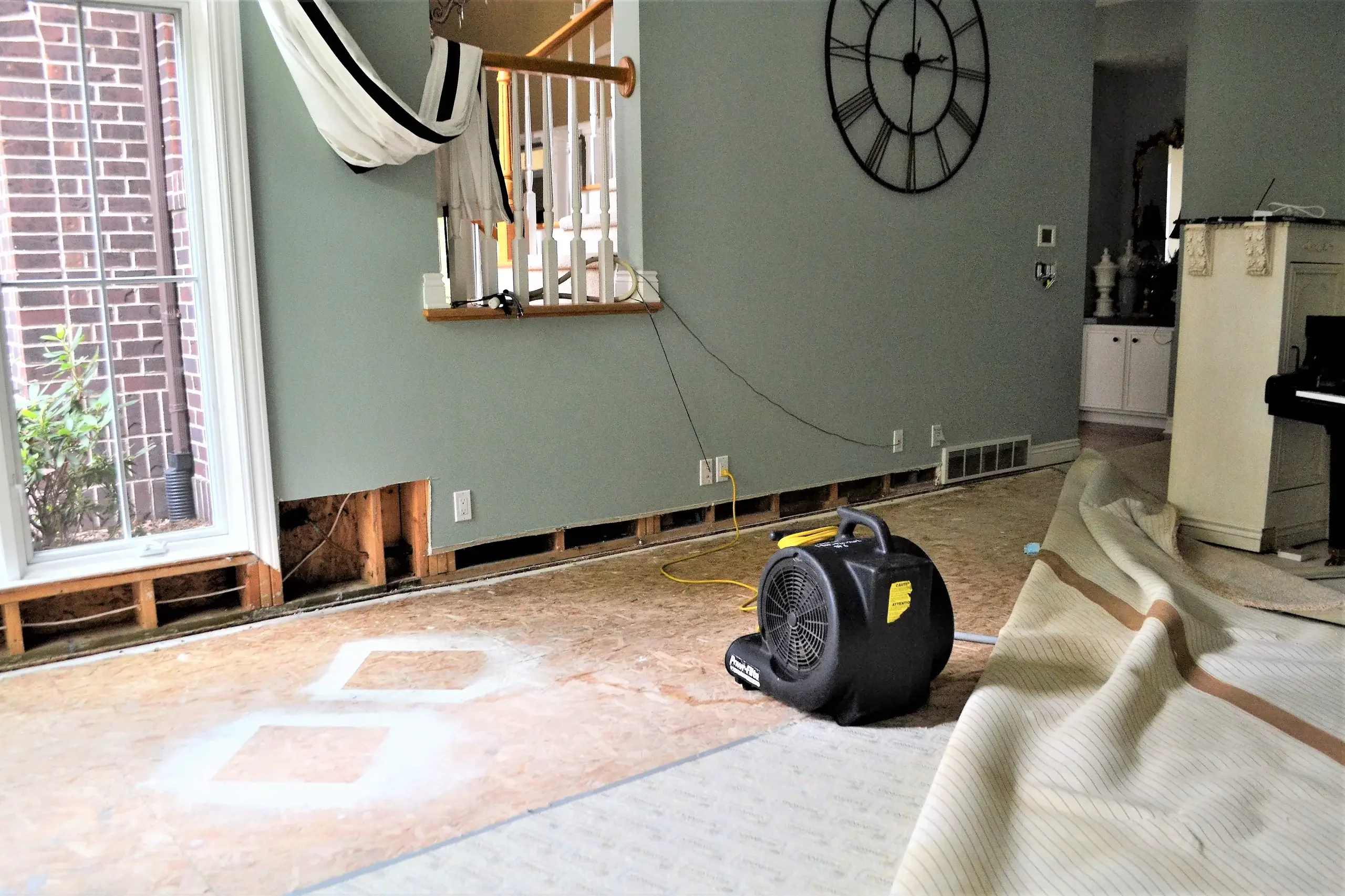
When water leakage occurs, taking immediate action is crucial to prevent extensive damage and ensure effective basement moisture control. Begin by quickly drying the affected area. This initial step helps to mitigate further complications such as mold growth, which thrives in damp environments. Identify the source of the leak to determine the appropriate repair strategy. By addressing the root cause promptly, you can prevent future occurrences and maintain a healthy home environment.
Utilizing fans and towels can speed up the drying process. Ensure good airflow in the basement to aid in moisture evaporation.
Inspect common leakage points such as windows, foundation walls, and plumbing fixtures. Knowing the source allows you to implement specific solutions for effective basement moisture control.
Acting swiftly can significantly reduce repair costs by minimizing structural damage. Immediate steps also help maintain better indoor air quality by preventing mold and mildew growth.
Routine inspections and maintenance practices are foundational in ensuring effective basement moisture control. Regular assessments help identify potential moisture problems before they escalate into costly issues. Homeowners should be vigilant in checking areas prone to moisture infiltration, such as basement walls, floors, and any visible piping. Additionally, monitoring for early signs of mold or mildew is essential in a comprehensive moisture control strategy.
Look for cracks in the foundation walls that may allow water intrusion. Ensure sump pumps are functional and check their discharge lines. Examine windows and vents for proper seals and ventilation. Test any smart home monitoring systems for accuracy and updates.
Homeowners are encouraged to maintain a routine maintenance schedule to preserve the efficacy of their basement moisture control systems. Biannual inspections are recommended, ideally during the spring and fall when weather transitions often bring increased moisture levels. Regularly replace dehumidifier filters and ensure the unit is operating efficiently.
Implementing a proactive approach to maintenance not only supports longevity but also enhances indoor air quality by preventing dampness-related issues. Taking these steps will help avoid structural damage and the health risks associated with excess moisture. With consistent basement moisture control efforts, homeowners can protect their investments and enjoy healthier living spaces.
In the quest for effective basement moisture control, technological advancements have introduced new tools that significantly enhance our ability to manage moisture levels. One such innovation is the use of moisture meters, which provide immediate readings of moisture content in various materials. They are instrumental in identifying problem areas before they escalate into major issues. By regularly monitoring basement conditions with these devices, homeowners can proactively address potential moisture problems, ensuring their basement remains dry and healthy.
Smart sensors are another breakthrough in basement moisture control. These devices can be strategically placed within the basement to continuously monitor humidity levels. They provide real-time data and even send alerts when moisture levels exceed safe thresholds. This capability allows homeowners to react swiftly to any deviations, preventing costly damage and maintaining optimal indoor air quality. The seamless integration of smart sensors into home automation systems also offers enhanced convenience and control.
Data-driven approaches to basement moisture control represent a significant leap forward. With the collected data from moisture meters and smart sensors, homeowners can map moisture patterns over time. This information is crucial for understanding the root causes of humidity issues and for devising long-term solutions. By embracing technology, we can transition from reactive measures to proactive strategies, ensuring effective and lasting basement moisture management.
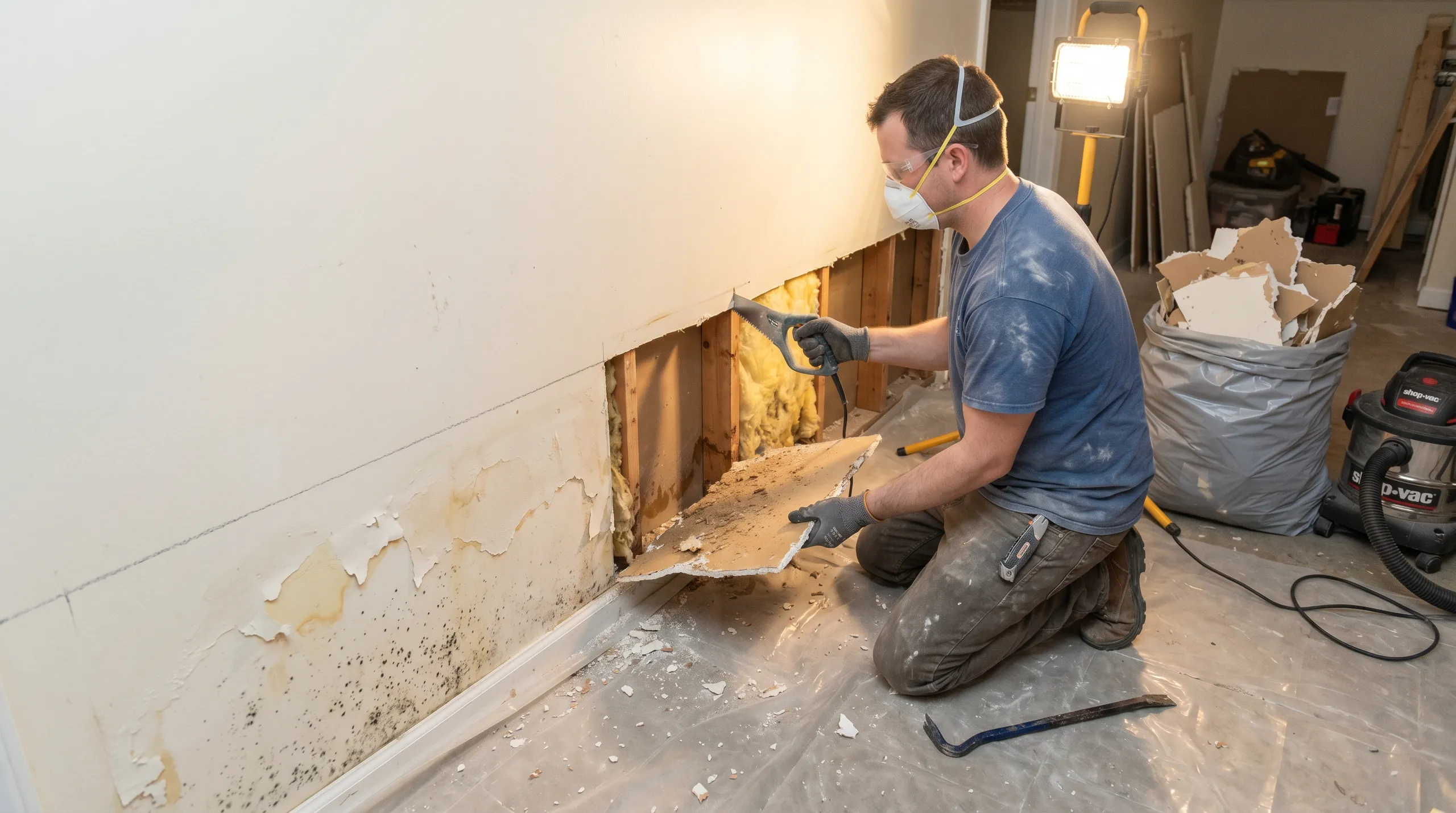
Integrating smart home systems into your basement moisture control strategy offers numerous advantages. These systems can continuously monitor humidity levels, providing essential data to help prevent moisture-related issues. When humidity levels surpass predetermined thresholds, smart systems can send alerts directly to your smartphone, allowing you to take immediate action. Such real-time monitoring can be pivotal in avoiding damaging consequences like mold growth and structural deterioration.
Smart home monitoring systems are uniquely equipped to provide real-time alerts for moisture problems, ensuring timely responses. By integrating these systems into your basement moisture control measures, you actively prevent long-term damage and maintain a healthy environment. Additionally, these alerts facilitate efficient management of potential risks and enhance the effectiveness of existing moisture control strategies.
Incorporating smart technology into your moisture control arsenal not only complements traditional methods but also enhances them. Regular checks of basement moisture control systems are still vital; however, the seamless integration of smart monitoring introduces a proactive element. This proactive approach, coupled with conventional methods, forms a robust barrier against moisture problems, keeping your home safe and sound.
Effective basement moisture control is key to preventing long-term structural damage and maintaining a healthy home environment. A comprehensive and proactive approach ensures that your basement remains a dry and usable space. Implementing a variety of strategies can help homeowners avoid costly repairs and health issues associated with mold and mildew. Early intervention and regular maintenance can significantly reduce the risks of excess moisture, saving you money and stress in the long term.
Utilizing a combination of waterproofing techniques is essential for robust basement moisture control. This can include sealing any visible cracks in foundation walls and installing sump pumps to efficiently manage water accumulation. Additionally, improving drainage around the perimeter of your home and ensuring proper grading can minimize the risk of water seepage. Regular inspections are crucial to identify any potential vulnerabilities in your moisture control systems.
Maintaining a moisture-free basement offers numerous benefits beyond just structural integrity. Reducing the presence of moisture can prevent mold growth, which is a common contributor to respiratory problems and allergies. Financially, effective basement moisture control prevents expensive repairs and extends the lifespan of your home. By investing in moisture control technologies, like smart home monitoring systems, you can track changes in humidity levels and quickly respond to any issues, safeguarding your home and health.
Effective moisture control in basements plays a critical role in cultivating a healthier indoor environment. By maintaining proper humidity levels, homeowners can significantly enhance indoor air quality, which is essential for the health and well-being of a home’s occupants. Adequate basement moisture control prevents the growth of mold, which can trigger allergies and respiratory issues, further promoting a healthier living space. Employing techniques like sealing cracks, using dehumidifiers, and ensuring sufficient ventilation can lead to a noticeable improvement in air quality and overall living conditions.
Implementing basement moisture control can have several advantages. It combats mold and mildew growth. It reduces potential allergens in the air. Proper moisture management also protects the structural integrity of your home. Moreover, it can prevent costly repairs associated with water damage, making it an essential part of home maintenance.
Maintaining ideal moisture levels is not just beneficial for immediate comfort; it promises long-term health advantages. A balanced humidity reduces the survival rate of dust mites, creating an environment less conducive to respiratory illnesses. Additionally, healthy air quality supports better sleep and overall wellness, highlighting the importance of effective basement moisture control in fostering a healthier home.