Comprehensive renovation and construction services

Improving your home without breaking the bank might seem daunting, but with the right strategies, it’s entirely achievable. When considering home improvement on a budget, focus on projects that deliver the greatest impact for the least expense. This often includes choosing updates that enhance both the aesthetic and functional aspects of your home. Simple acts like repainting walls, changing outdated fixtures, or enhancing your garden landscape can make a significant difference in how your home looks and feels.
Begin by identifying areas that can naturally boost your home’s appeal. Prioritizing such areas ensures your efforts go toward cost-efficient improvements. Planning is essential in home improvement on a budget. Setting a feasible budget before starting any project is crucial for financial tracking. Allocate resources wisely to projects that promise the highest returns in terms of value addition.
Another effective strategy is embracing the DIY mindset. Tackling projects yourself not only saves on labor costs but also allows for greater creativity. Consider repurposing or upcycling materials, as these practices are both budget-friendly and environmentally sustainable. Engage in home improvement on a budget with an open mind, and enjoy the satisfaction of personal input and savings reaped from your efforts.
Refreshing your home doesn’t have to break the bank. Simple updates can make a big impact and contribute to successful home improvement on a budget. Start by changing window coverings; they can dramatically alter the ambiance of a room. Whether you choose airy curtains or sleek blinds, the choice can enhance the aesthetics without costly alterations. Rearranging furniture is another effective way to refresh your space. It allows you to experiment with new layouts, utilizing what you already own to create a fresh perspective in your rooms without spending a dime.
Consider embracing the concept of decluttering, which is integral to achieving home improvement on a budget. By removing unnecessary items, you not only create more space but also allow the remaining décor to shine. Group your furniture differently or add in some accent pieces that you previously tucked away. These subtle adjustments can rejuvenate any space.
When focused on home improvement on a budget, small decor changes go a long way. Update throw pillows or invest in new slipcovers to transform your living room at a fraction of the cost of new furniture. Incorporate fresh plants or relocate existing ones to infuse your home with vitality and color. These touches add warmth and character, enhancing your home inexpensively.
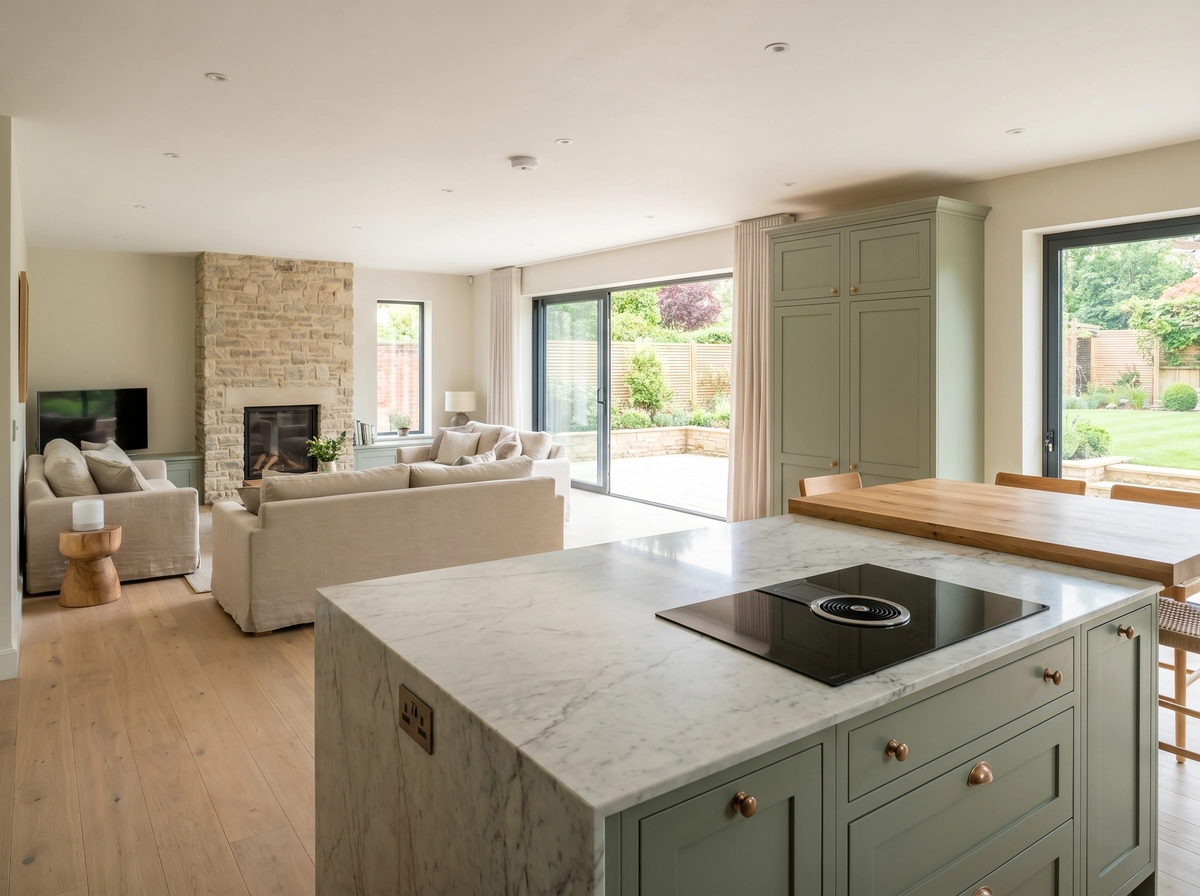
Choosing the right colors and finishes for your home can dramatically impact your space without straining your finances. Neutral tones can offer a timeless appeal, ensuring that your home improvement on a budget maintains a sophisticated look. For those seeking a touch of vibrancy, consider using bold colors strategically. This may include painting smaller sections or accent walls to add depth and character to any room. Accent walls are particularly effective in highlighting specific areas, transforming a mundane space into a visually inviting one.
Modern techniques like color blocking and ombre finishes introduce interest and variety, reflecting personal style while remaining budget-friendly. By focusing on one wall or area, you can achieve a high-end look without the costs of painting an entire room. These methods allow homeowners to experiment with minimal risk, providing a pathway for creative expression under the home improvement on a budget umbrella.
Maintaining home improvement on a budget often requires choosing the right materials and tools. Look for paints that offer both durability and stylish finishes, and consider sales or discount codes to cut costs further. Remember, a little creativity goes a long way in refreshing your home. Plan your project carefully, ensuring that your transformation aligns with your financial plan. This strategic approach will maximize impact while keeping expenses in check.
Lighting plays a vital role in home improvement on a budget, as it can transform spaces with minimal expense. Choosing stylish yet economical lighting options is key to enhancing the look and feel of each room without breaking the bank. Versatile lighting solutions include LED string lights for a cozy ambiance, pendant lights for a modern touch, and floor lamps to brighten dark corners. These options not only provide excellent illumination but also add character to living spaces.
Strategic placement of lights can dramatically alter the aesthetics of a room, creating an inviting and comfortable atmosphere. In the living room, layering lighting with a combination of table lamps, floor lamps, and ceiling fixtures can highlight furniture and decor. For the kitchen, under-cabinet lighting not only improves functionality but also adds warmth to the space.
Adopting energy-efficient lighting solutions is an excellent home improvement on a budget strategy. Consider replacing traditional bulbs with LED lights, which consume less energy and have a longer lifespan. Smart bulbs are also a great investment, offering the flexibility to change lighting colors and intensities to suit different moods. Additionally, repurposing old fixtures with a fresh coat of paint or new shades can rejuvenate a room without hefty costs.
Engaging in home improvement on a budget can transform your living space while keeping expenses under control. One of the easiest ways to enhance your home is through do-it-yourself (DIY) projects, which cater to all skill levels and allow homeowners to make significant changes without professional help. Simple updates such as repainting walls or refurbishing old furniture can breathe new life into any room. By choosing projects that align with your abilities, you’re more likely to complete them successfully and enjoy the process.
For those new to DIY, projects like changing out outdated fixtures or organizing and decluttering spaces can quickly improve home functionality and appearance. Installing energy-efficient LED lighting is another easy task that provides ongoing savings on utility bills. These simple improvements contribute significantly to home improvement on a budget, ensuring you don’t overspend while creating noticeable changes.
If you’re more experienced, consider tackling projects like building custom shelving or creating a unique focal wall using reclaimed wood. These tasks not only increase your home’s aesthetics but also add valuable storage and character. With a well-planned budget and a careful selection of materials, such endeavors fall into the category of home improvement on a budget, offering a rewarding balance of creativity and savings.

Revitalizing your living space with home improvement on a budget can be achieved through repurposing and upcycling old items. By breathing new life into discarded materials, not only do you reduce waste, but you also save money. Consider a battered ladder as a stylish bookshelf or turn old jars into chic lamps. This creative ingenuity not only reflects sustainable practices but also enhances your home’s charm.
Transforming everyday objects into functional pieces is a key aspect of home improvement on a budget. For instance, repurpose wooden pallets into a trendy coffee table. Using vintage fabric remnants, you can reupholster old chairs to give them a fresh look. These small projects can have a significant impact on the aesthetic appeal of your home.
Home improvement on a budget doesn’t mean sacrificing style for cost; it’s about finding balance. Upcycling is a cost-effective approach that respects the environment. Here are some ideas:
Crafting these transformations supports sustainable living, nurturing both your home and the planet.
Transforming your outdoor space can seem daunting, but landscaping doesn’t have to be expensive to be effective. A key aspect of home improvement on a budget is selecting low-maintenance plants. These plants, often drought-resistant, not only save on water bills but also reduce the time and resources needed for upkeep. Incorporating native flora can add unique charm and promote local biodiversity, all while keeping expenses manageable.
Creating garden borders yourself is another excellent way to enhance your landscape affordably. Opt for materials you already have, such as stones or wood, or consider visiting thrift stores for budget-friendly finds. Crafting your own borders allows for creative expression and ensures your garden reflects your style without breaking the bank. It’s a simple home improvement on a budget that yields significant visual returns.
Small changes can dramatically boost curb appeal. Incorporate inexpensive elements like solar garden lights, which not only illuminate your pathways but also lower energy costs. Regularly maintaining your lawn by trimming edges and removing weeds can also greatly improve the overall appearance of your garden. These strategies align perfectly with the principles of home improvement on a budget, blending aesthetics with affordability.
When tackling home improvement on a budget, one effective strategy is to be resourceful when shopping for materials and decor. Begin by taking advantage of discount codes that many online and brick-and-mortar stores offer. These codes can often be found through a simple web search or by subscribing to retailer newsletters. Additionally, plan your shopping around sales events and holiday promotions to stretch your budget further. This approach can help make home improvement on a budget more attainable without compromising on quality or style.
Visiting thrift stores is another excellent way to save money when pursuing home improvement on a budget. These shops often carry pre-loved items that add character and a unique touch to your home. Whether it’s furniture, lighting, or decorative pieces, savvy shoppers can find high-quality items at a fraction of their original price. By exploring thrift stores, you not only limit spending but also support sustainable practices through repurposing and upcycling.
Effective planning can also maximize your home improvement budget. Create a detailed list of necessary items and stick to it, preventing impulse purchases that could derail your financial goals. Additionally, consider using price comparison tools and apps to ensure you’re getting the best deal available. Through thoughtful preparation and shopping strategies, you can achieve stunning results in your home without overspending. These steps are essential for successful home improvement on a budget, allowing homeowners to make impactful changes without financial strain.
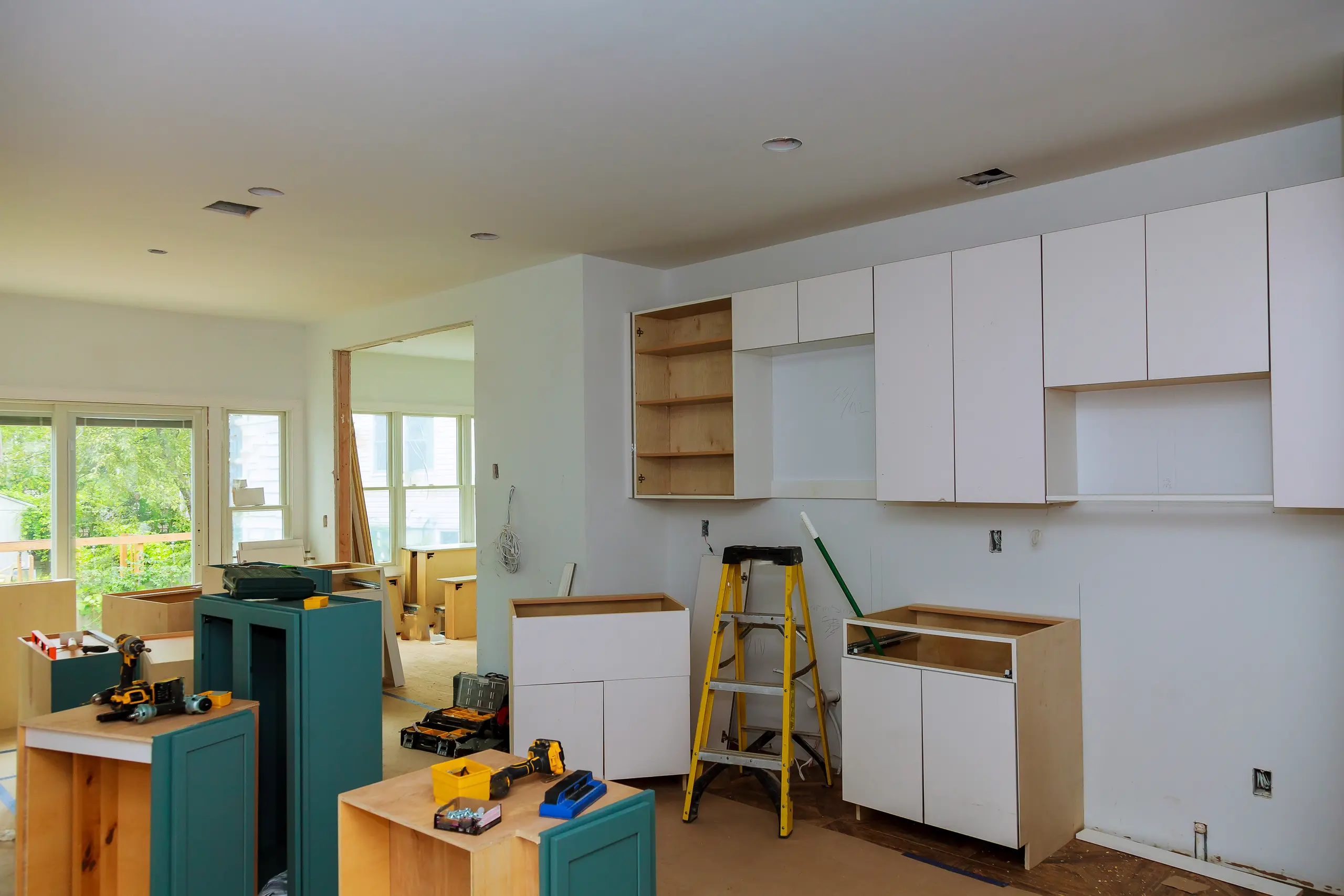
Investing in energy-efficient home improvements can significantly lower utility bills and lead to long-term savings. By prioritizing such upgrades, homeowners can enhance their sustainability and reduce their environmental impact. Energy-efficient solutions, like smart thermostats and LED lighting, are perfect examples of improvements that combine practicality with financial savings. Incorporating these upgrades into your home improvement on a budget strategy is a smart way to enjoy the dual benefit of reduced energy consumption and increased cost savings.
Smart thermostats are an essential addition to any energy-conscious home. These devices allow homeowners to tailor their heating and cooling schedules, optimizing comfort while minimizing energy wastage. With the ability to learn your routines and adjust settings accordingly, smart thermostats can dramatically cut energy use, aligning perfectly with a home improvement on a budget plan. The long-term savings on utility bills can quickly offset the initial investment, making them a valuable upgrade.
Switching to LED lighting is another effective way to embrace energy efficiency. LEDs consume significantly less power and have a substantially longer lifespan compared to traditional bulbs. This means you will not only reduce your electricity bills but also spend less on replacements over time. Integrating LED lighting into your home improvement on a budget efforts guarantees a bright and sustainable future. With lower energy consumption, the decision to upgrade to LEDs can lead to impressive savings, both for your wallet and the planet.
Updating small fixtures in your home can make a big impact without breaking the bank. Swapping out cabinet handles or replacing outdated faucets are simple yet effective ways to revitalize your space. These changes fall perfectly into the realm of home improvement on a budget. By investing in new fixtures, you can significantly upgrade the aesthetic appeal of your rooms without the need for a complete overhaul.
Consider incorporating stylish yet affordable options to enhance your decor. Opt for sleek metallic cabinet pulls or contemporary faucet designs that align with the latest trends. This approach to home improvement on a budget ensures you can achieve the desired look without a substantial financial outlay.
Even small fixture updates can transform the overall ambiance of your home. Changing the knobs on your kitchen cabinets or the taps in your bathroom can breathe new life into spaces, making them feel fresh and current. Home improvement on a budget is all about finding these high-impact, low-cost solutions.
By following these simple strategies, you can embrace home improvement on a budget, enjoying a refreshed living environment without major expenses.
Crafting a comprehensive budget plan for your home improvement on a budget is essential for transforming your space without financial strain. Start by estimating the total cost of your project, including a detailed breakdown of materials, labor, and permits. Remember to account for unexpected expenses, as these can add up quickly. A well-prepared budget helps you maintain control over your expenditures and avoid surprises.
To create a realistic budget, categorize costs into sections like materials, labor, and miscellaneous expenses. Allocate a portion of your budget to each category and stick to it as closely as possible. This ensures that every aspect of your home improvement on a budget is covered and prevents overspending in any one area.
Include a contingency fund to cover unforeseen costs that might arise during your home improvement on a budget project. Setting aside 10-20% of your total budget for these unexpected expenses can save you from future financial headaches. Planning for the unexpected ensures you can handle surprises without compromising your project’s quality or scope.
Regularly review your budget and adjust as necessary. As your project progresses, you may discover areas where costs can be further optimized. Revisiting your budget periodically allows you to refine your home improvement on a budget efforts, ensuring that your project stays on track financially while maximizing results.
Understanding how to prioritize home improvement tasks can greatly enhance the efficiency and effectiveness of your projects, especially when working within a budget. Begin by assessing which improvements will have the most significant impact on both the functionality and aesthetics of your home. Consider the necessity of each project, focusing first on those that address safety concerns or prevent further damage.
Determining the necessity of each potential project is crucial when considering home improvement on a budget. Start with repairs that address safety issues, such as fixing faulty wiring or leaky roofs, to prevent more costly repairs later. Projects that maintain structural integrity should always be prioritized over purely cosmetic upgrades.
Once safety and structural concerns are addressed, you should evaluate which projects provide the most impact within your budget constraints. Projects like painting, updating fixtures, or adding landscaping can significantly enhance your home’s value and aesthetic appeal. Consider the cost versus benefit of each project to ensure you get the best results economically.
With a list of prioritized projects, set a realistic budget to guide your choices. Identify savings opportunities by shopping sales, using discount codes, or visiting thrift stores to stay within your budget. Remember to incorporate energy-efficient upgrades, like LED lighting or smart thermostats, which can yield long-term savings and support sustainable home improvement on a budget.
Smart home technology has revolutionized the way we enhance our living spaces, offering an array of gadgets and systems that can significantly boost comfort and convenience. However, many of these solutions come with hefty price tags, which can be prohibitive for those focusing on home improvement on a budget. Fortunately, it is entirely possible to incorporate smart technology without breaking the bank by carefully selecting affordable options and utilizing them strategically.
Smart lighting is an excellent entry point for integrating technology into the home without overspending. Budget-friendly smart bulbs and switches are widely available, often supporting voice control and remote access through smartphone apps. They not only add convenience but also contribute to energy savings, thus aligning with the principles of home improvement on a budget. By automating lighting to fit daily routines, homeowners can enjoy both comfort and efficiency.
Enhancing security is another crucial aspect of smart home advancement. Affordable smart cameras and doorbell cameras offer peace of mind without requiring a professional setup. Many of these devices include motion detection and real-time alerts directly to a smartphone. These security options highlight how home improvement on a budget can effectively utilize technology to create a safer, more connected environment. This ensures that safety investments are not a financial burden, but rather a wise enhancement of the home.
Shopping at thrift stores offers a treasure trove of unique finds that can tremendously boost your home improvement on a budget. These stores are perfect for discovering one-of-a-kind pieces that add flair and character to your space. Whether it’s a vintage lamp, an eclectic piece of art, or a retro armchair, each find tells a story, enhancing your home’s individuality without breaking the bank.
For those keen on home improvement on a budget, thrift stores spark a sense of creativity. The eclectic mix of items can inspire different ways to use furniture and decor. Transform a dated side table with a splash of paint, or repurpose an old ladder into a stylish shelf. These creative projects highlight your personality and design flair, all while keeping expenses low.
Thrift store finds are a sustainable choice for home improvement on a budget. By repurposing and upcycling pre-owned items, you reduce environmental impact while enjoying cost savings. Additionally, purchasing from thrift stores supports the recycling cycle, making it a guilt-free way to upgrade your space. This approach aligns with sustainable practices, ensuring both your wallet and the planet benefit.
Achieving a stylish and functional home doesn’t have to break the bank. With careful planning and resourcefulness, home improvement on a budget is not only possible but can yield impressive results. By focusing on cost-effective upgrades that enhance both aesthetics and functionality, homeowners can enjoy a refreshed living space that aligns with their personal style. From repainting walls to updating fixtures and landscaping, these changes can significantly increase a home’s appeal and utility without significant expenditure.
Embrace smart shopping techniques to maximize your home improvement on a budget. Shopping during sales, utilizing discount codes, and browsing thrift stores can lead to great finds at a fraction of the price. These strategies allow homeowners to obtain quality materials and furnishings while keeping expenses under control.
DIY projects offer an avenue for creativity and savings when pursuing home improvement on a budget. Repurposing and upcycling materials not only cut costs but also support sustainable practices, adding a unique charm to your home. These efforts are aligned with maintaining a realistic budget and ensuring financial feasibility.
Consider energy-efficient upgrades like LED lighting or smart thermostats as part of your home improvement on a budget. Though initially an investment, these upgrades can significantly reduce utility bills over time. This approach ensures that your home improvements add lasting value by continuously saving money.