Comprehensive renovation and construction services

Exploring the latest trends in bathroom renovation costs reveals significant variations, influenced by factors like the scope of work, choice of materials, and geographic location. As of 2026, understanding these cost components is crucial for homeowners seeking to manage expenses effectively. A well-thought-out approach to budgeting can prevent unexpected financial strain and ensure a successful project.
Bathroom renovation cost can vary from $10,000 to $25,000 for a standard remodel, with smaller updates being more budget-friendly. High-end renovations can exceed $50,000, especially when choosing luxury finishes. It’s important to factor in labor costs, which are notably higher for specialized work by plumbers and electricians.
Effective budgeting starts with a clear understanding of potential expenses. Materials, such as tiles and fixtures, range widely in cost, so selecting affordable yet quality options is essential. Geographic location also affects labor and material costs, with urban areas often presenting higher price tags.
There may be unexpected costs, such as plumbing updates or water damage repairs, during the renovation process. Proper planning and contingency funds can mitigate these surprises. Bullet points to consider:
By considering these elements, homeowners can navigate the bathroom renovation cost landscape with greater confidence.
Understanding the costs associated with a bathroom renovation is essential for any homeowner looking to update their space. Several key elements contribute to the overall bathroom renovation cost, such as materials, labor, permits, and design considerations. Materials like tiles, countertops, and fixtures can significantly impact the budget, with options ranging from budget-friendly to high-end designer brands. In addition to material costs, labor expenses for hiring skilled tradespeople, such as plumbers and electricians, are substantial due to the specialized nature of the work involved. Understanding these components can help in managing the bathroom renovation cost effectively.
Proper planning is crucial when considering a bathroom renovation. It’s important to account for possible unforeseen costs that might arise, such as water damage repairs or unexpected plumbing updates. Alongside the tangible aspects, design considerations play a vital role in the bathroom renovation cost. Whether opting for a modern, sleek look or a traditional style, design choices can influence the financial outlay significantly.
When budgeting for a bathroom renovation cost, consider the following:
Understanding these factors can aid in making informed decisions and setting a realistic budget for a successful renovation project.
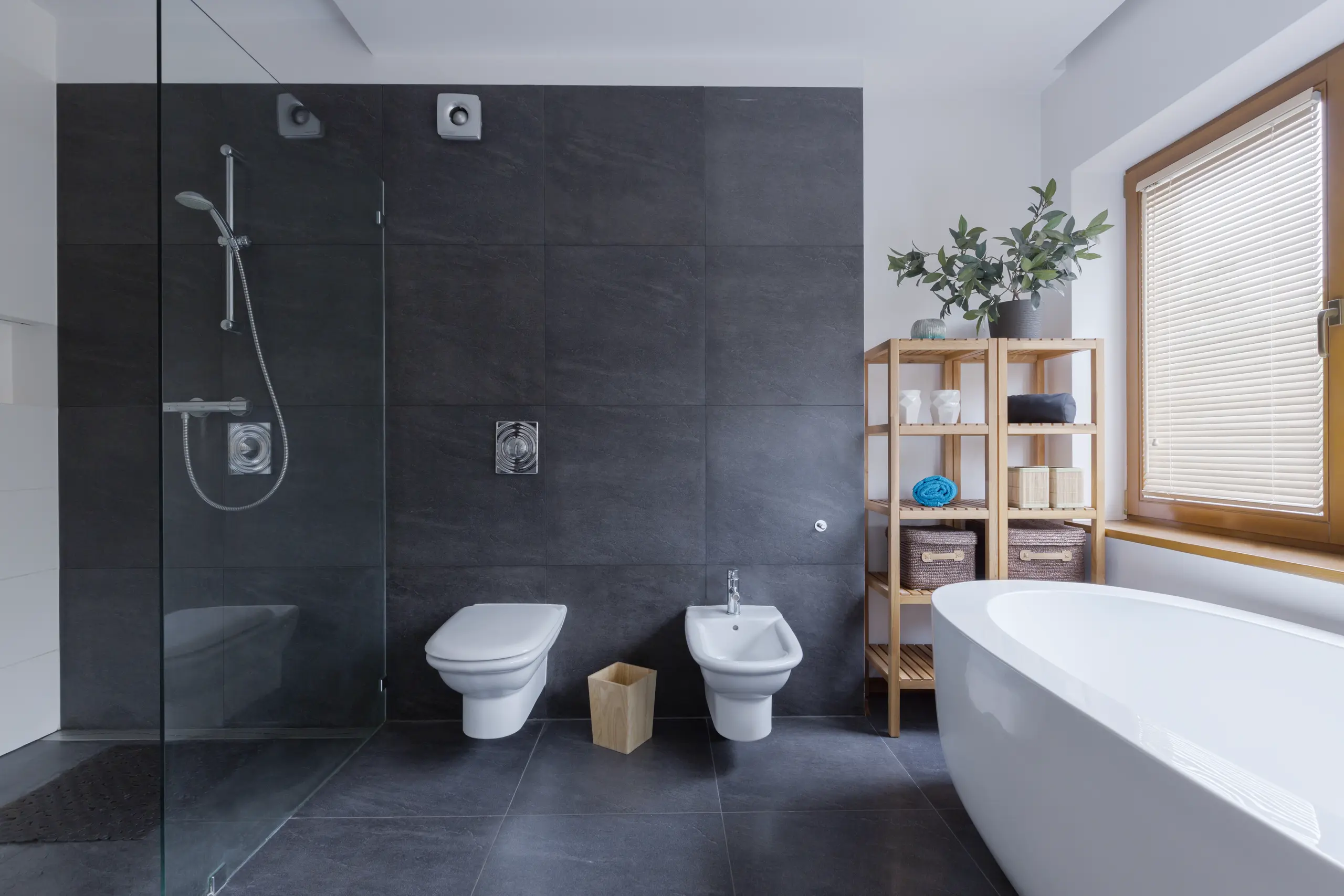
When planning a bathroom renovation, understanding the factors that affect the overall cost is crucial. The scope of the project is a primary consideration; full remodels are typically more expensive than minor updates. Another significant aspect is the choice of materials and the quality of finishes. High-end designer tiles and fixtures can drastically escalate the bathroom renovation cost, while budget-friendly options help keep expenses in check.
Assessing the current state of your bathroom can also influence renovation costs. If the plumbing or structural elements are outdated or damaged, these will need addressing, potentially increasing the bathroom renovation cost. By evaluating these before starting, homeowners can make informed decisions and allow space in the budget for unexpected repairs.
Staying within budget requires careful planning. Choosing affordable materials without compromising on quality, setting a clear project scope, and preparing for unforeseen expenses are essential strategies. By prioritizing needs over wants and exploring cost-efficient alternatives, homeowners can effectively manage their bathroom renovation cost and achieve a beautiful space within their budget.
When planning a bathroom renovation, the size of the space significantly influences the overall bathroom renovation cost. A larger bathroom typically demands more materials, such as tiles and fixtures, which naturally increases the expense. Furthermore, larger spaces require more labor hours for installation and finishing, adding to the cost. In contrast, a smaller bathroom might reduce the scale of expenses, requiring fewer materials and less time for labor, resulting in a more budget-friendly renovation.
In larger bathrooms, the bathroom renovation cost often includes a more significant investment in both materials and labor. More square footage means more tiles, paint, and other materials are needed, driving up the price. Additionally, electricians and plumbers may need to spend more time completing work in a larger space, further adding to labor costs. These factors collectively contribute to the increased expense of renovating a larger bathroom compared to a smaller one.
To illustrate, a compact bathroom renovation may stay within the lower end of the $10,000 to $25,000 range, given its limited demand for resources. However, a spacious master bath featuring luxury materials could see costs soar well beyond the baseline, especially if unforeseen issues like plumbing updates arise. Careful planning around the bathroom’s size can therefore help manage the bathroom renovation cost more effectively.
Selecting the right materials for your bathroom renovation is a key step in managing the overall bathroom renovation cost effectively. Balancing cost with quality involves understanding where to allocate your budget. For instance, investing in high-quality tiles and fixtures can greatly enhance both the aesthetic appeal and durability of your bathroom, often justifying a higher initial expense as it contributes to a long-lasting finish. Conversely, areas such as lighting or paint may offer savings opportunities, allowing you to reduce costs without compromising overall quality significantly.
When choosing materials, it’s crucial to assess their impact on your bathroom renovation cost. Material choices can significantly affect the final budget; hence, prioritizing essentials over luxury can often preserve your budget. Durable materials might cost more upfront, but they minimize long-term maintenance costs, saving money over time. It’s advisable to research and compare different material options, weighing both costs and benefits.
Combining practicality with aesthetics is another important consideration. Opt for materials that not only fit your style preferences but also serve functional needs. While it might be tempting to splurge on premium brands for every aspect, doing so indiscriminately can inflate your bathroom renovation cost. Instead, identify key areas worth investing in, which can enhance functionality and long-term value while keeping within budget constraints.
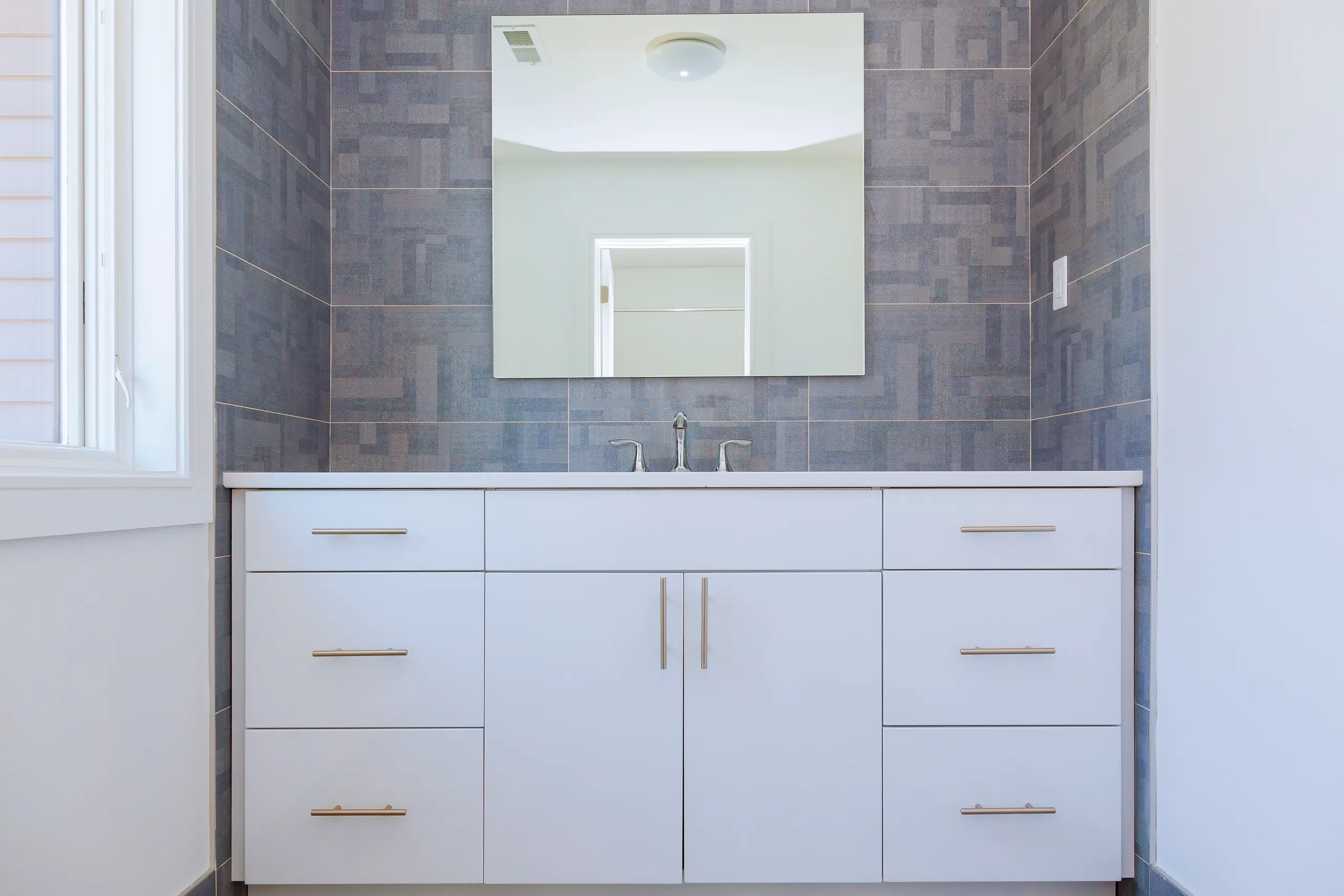
Labor costs are a significant component of the overall bathroom renovation cost. Skilled trade professionals such as plumbers and electricians often charge premium rates due to the specialized nature of their work. This expertise comes at a price, but it ensures that the job is done safely and correctly. The bathroom renovation cost can, therefore, vary greatly depending on the complexity of the tasks involved and the rates charged by these professionals.
The necessity for experienced professionals, who command higher wages, influences the bathroom renovation cost considerably. Hiring a reputable plumber or electrician can save money in the long run by reducing the likelihood of issues arising from poor workmanship. It is important to verify qualifications and experience before choosing a contractor to ensure best value.
Finding reliable yet cost-effective professionals is essential for managing bathroom renovation cost. Homeowners can ask for recommendations from friends or family, read online reviews, and obtain multiple quotes to compare rates. Taking the time to research and select the right tradespeople can lead to savings without compromising on quality.
Geographic location also affects labor costs significantly. In urban areas, the bathroom renovation cost tends to be higher due to increased labor expenses. Awareness of local market conditions and availability of skilled trades in your area can aid in budgeting effectively for your project.
Achieving the perfect balance between budget-friendly and high-end renovation strategies can be a challenge. However, understanding the nuances of bathroom renovation cost can guide you towards a smart investment. For those on a tighter budget, prioritizing essential updates such as repainting and replacing fixtures can give a fresh look without breaking the bank. On the other hand, a high-end renovation might focus on installing luxury finishes, such as designer tiles or high-quality countertops, which can noticeably raise the aesthetic value but also increase the cost significantly.
When considering bathroom renovation cost, it’s vital to weigh the cost-effectiveness of materials. Opting for standard tiles instead of upscale designer brands can substantially reduce expenses. Similarly, laminate countertops offer a budget-friendly alternative to natural stone, which can be beautiful but pricey. Each material choice plays a significant role in the overall cost, and careful selection can help maintain balance between quality and affordability.
Understanding the trade-offs between minor updates and complete overhauls is pivotal. Small changes like updating lighting or fixtures can improve the space with a modest impact on the bathroom renovation cost. In contrast, a complete redesign with high-end finishes, while desirable, may not provide a proportional return on investment if the primary goal is practicality. Prioritizing essential features ensures the renovation aligns with both your vision and budget.
When planning a bathroom renovation, one key aspect to consider is how geographic location influences the overall bathroom renovation cost. In urban areas, both labor and material costs are typically higher than in rural settings. This is due to increased demand and higher costs of living. For example, a bathroom renovation in a major city like New York or Los Angeles can be substantially more expensive than in a small town in the Midwest. Homeowners should account for these regional variations when setting their budgets for a bathroom renovation cost.
Urban areas tend to have a higher concentration of skilled labor, driving up wages for plumbers and electricians. Consequently, labor costs in cities can contribute significantly to the total bathroom renovation cost. Conversely, rural areas may offer more competitive rates but might have fewer options for specialized skills, potentially affecting the project’s timeline and quality.
Alongside labor, the cost of materials can vary greatly depending on geographic location. Cities typically have greater access to a range of materials, including high-end designer options, which can elevate the bathroom renovation cost. However, shipping costs for these materials to rural locations can increase prices, offsetting any savings on local labor. This makes strategic planning crucial when evaluating bathroom renovation costs based on location.
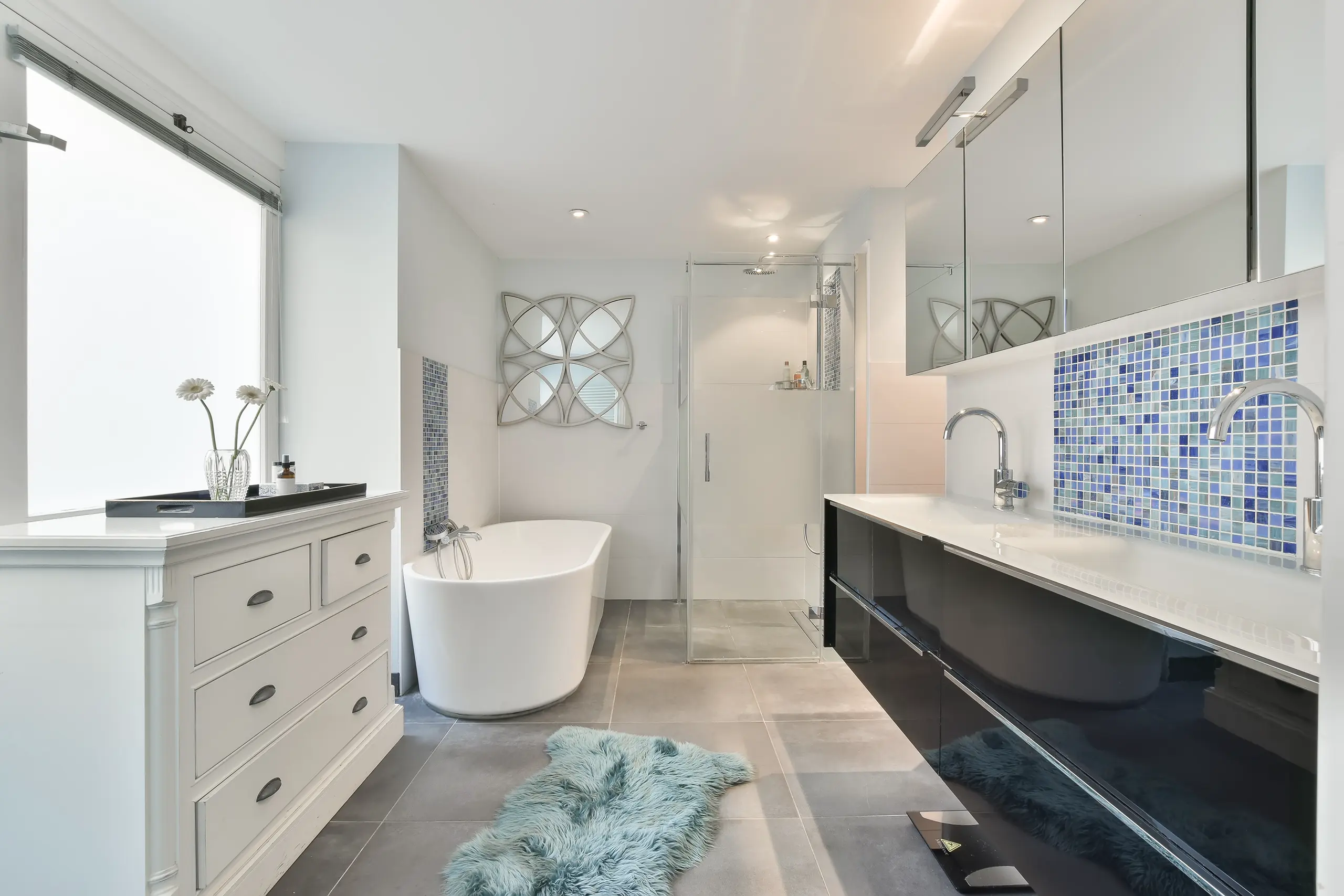
When embarking on a bathroom renovation, it is crucial to budget smartly by planning for unforeseen expenses. Setting aside a contingency fund is a wise move, especially considering potential issues like water damage repairs or plumbing upgrades. These unexpected costs can arise quickly, impacting your total bathroom renovation cost. A good rule of thumb is to allocate an additional 10-20% of your budget to cover such unforeseen expenses. This proactive approach will help you manage surprises without derailing your renovation plans.
Anticipating potential problems can significantly minimize your bathroom renovation cost. Conduct a thorough inspection before the renovation begins to identify possible issues like outdated pipes or hidden leaks. Hiring a professional to examine the existing condition thoroughly can be beneficial. Such preparatory measures can help you avoid costly surprises, making the renovation process smoother and more predictable.
To keep your bathroom renovation cost within your planned budget, consider investing in quality materials and workmanship from the outset. While this might seem expensive initially, it often reduces the likelihood of future repairs and contributes to the longevity of your renovation. Furthermore, maintaining open communication with your contractors ensures that any emerging issues are addressed promptly, helping to avoid escalating costs and project delays.
One of the easiest ways to reduce bathroom renovation cost without compromising on quality is to repurpose existing fixtures. Instead of replacing everything, consider refinishing the bathtub, reusing the vanity, or even updating the hardware. This approach not only saves money but also gives a nod to sustainability, keeping your renovation eco-friendly. If something must be replaced, try hunting for high-quality items during sales or clearance events, ensuring you keep both quality and budget in check. Smart shopping can significantly impact the overall bathroom renovation cost.
Investing in cost-effective materials that mimic high-end finishes is another smart strategy. For instance, you might opt for luxury vinyl tiles instead of hardwood or marble, or select quartz countertops that rival the glamor of granite without the hefty price tag. By selecting these budget-friendly materials, you keep the bathroom renovation cost manageable while still achieving a luxurious aesthetic.
Despite careful planning, unforeseen expenses can arise during a renovation, such as water damage repairs or necessary plumbing updates. Homeowners should allocate a portion of their budget for these surprises. By staying prepared for unexpected costs, you can avoid overspending and maintain control over the bathroom renovation cost throughout the process.
Creating a detailed budget is crucial when managing bathroom renovation cost to avoid unforeseen expenses and stay within financial limits. Knowing exactly where your money is going can prevent overspending and ensure that you prioritize the essential elements of your renovation. It’s important to consider not only major costs like materials and labor, but also potential hidden expenses such as repairs for unexpected water damage.
Keeping a meticulous record of all expenses is essential for staying on track with your bathroom renovation cost. By documenting each purchase, you can easily review and adjust your spending as needed. This tracking will help you identify areas where you can cut costs without compromising on quality.
When working with a limited budget, prioritize upgrades that will enhance functionality and value. Essential fixtures and structural improvements should take precedence over luxury finishes. This strategy ensures that the most important components of your renovation are addressed first.
Be prepared to make adjustments to your renovation plans as the project progresses. Flexibility is key in managing bathroom renovation cost effectively, allowing you to adapt your budget and plans according to any changes or unexpected challenges.
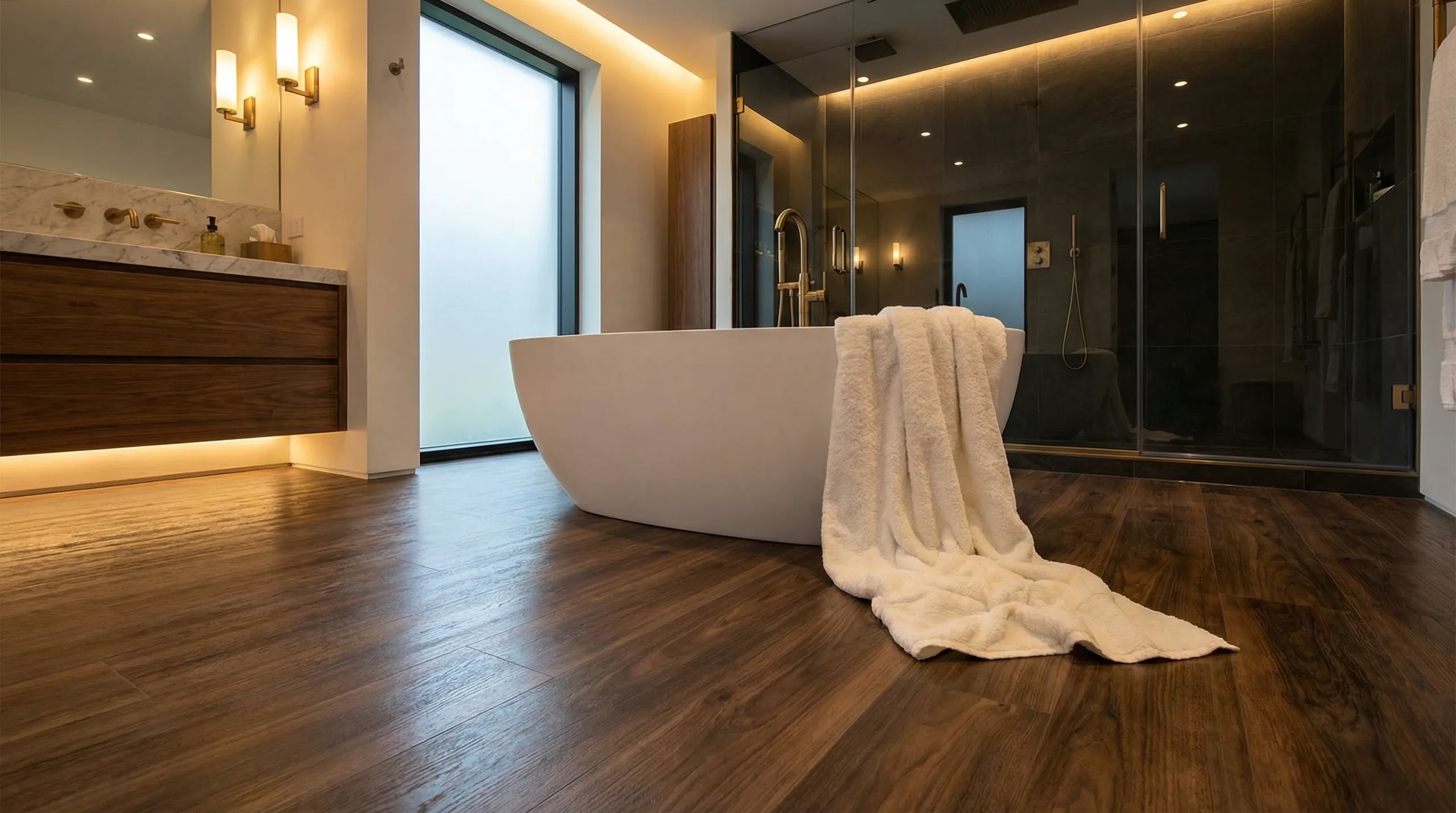
To make the most of your bathroom renovation cost, focus on upgrades that enhance both aesthetics and functionality. Start by prioritizing essential features that combine style with practicality. For instance, investing in high-quality fixtures such as modern faucets or showerheads can immediately elevate the look of your bathroom while ensuring durability. Similarly, adding ample storage with sleek cabinetry and smart shelving can organize your space effectively without compromising on design appeal.
Choosing the right materials is crucial in maximizing your bathroom renovation cost. Opt for tiles and countertops that are both stylish and durable, as these elements significantly impact the space’s overall appearance and longevity. Materials that withstand humidity and daily wear can provide lasting value, reducing the need for frequent replacements.
Thoughtful design decisions can further enhance your renovation’s return. Efficient lighting, such as layered lighting schemes, can create an inviting atmosphere while increasing functionality. Consider energy-efficient options that not only beautify the space but also help in reducing utility bills. Focus on these strategic upgrades to ensure your renovation adds substantial value to your home.
In a bustling city like San Francisco, a homeowner embarked on a bathroom renovation costing approximately $20,000. Faced with a space constrained by age-old plumbing, the renovation team navigated significant challenges, such as rerouting pipes and updating electrical systems. Ultimately, the refined combination of mid-range tiles and modern fixtures proved to be a success, showcasing that a stylish update doesn’t always necessitate exorbitant expenses.
In a suburban neighborhood outside Chicago, another homeowner successfully completed a bathroom renovation for $12,000. The focus was on aesthetic upgrades rather than structural changes, allowing costs to remain reasonable. Key decisions, like opting for a modern vanity and a fresh paint job, significantly transformed the look and feel of the space without exceeding their planned bathroom renovation cost.
A high-end apartment in New York City presented a demanding renovation that quickly saw costs escalate to over $45,000. The challenge of combining opulent finishes with cutting-edge technology resulted in a stunning transformation, albeit at a steep price. The lesson learned was clear: while luxury can elevate a space, it often comes with a hefty bathroom renovation cost. Prioritizing essential upgrades and carefully selecting splurges can help balance ambition with budget constraints.
In 2026, staying ahead of emerging bathroom renovation trends can significantly impact your budget planning. One of the leading trends shaping the bathroom renovation cost is the integration of sustainable practices. As homeowners become increasingly eco-conscious, there is a growing demand for water-efficient fixtures, recycled materials, and energy-efficient lighting. These features may have a higher upfront cost but can lead to savings on utility bills over time. Therefore, investing in green technology not only supports the environment but may also be economically advantageous in the long run.
Another trend to consider is the incorporation of smart home technology in bathrooms. From automated lighting systems to smart showers that allow precise temperature control, these features are becoming more popular. While the initial expense can influence the overall bathroom renovation cost, such technologies offer convenience and can increase a home’s value. Homeowners who prioritize modernity and convenience should find room in their budgets for these innovations.
The choice of materials and design elements will continue to play a crucial role in determining bathroom renovation cost. High-quality materials, like designer tiles and luxury finishes, are always in demand, but they can significantly influence your financial plan. Conversely, opting for innovative yet affordable materials, such as durable composites or laminate options, can help manage the budget effectively. Staying informed about material advancements and design trends can position homeowners to make cost-effective decisions.