Comprehensive renovation and construction services

Understanding load bearing wall identification is essential for anyone considering renovations or remodels. This process ensures the building’s structural integrity is maintained, safeguarding against potentially hazardous failures. A load-bearing wall is a critical structural element that supports the weight of floors, roof structures, and upper walls. Recognizing these walls before making any changes can prevent costly mistakes and ensure a safe renovation process.
Accurately identifying which walls are load-bearing is not just about safety; it’s about preserving the architectural integrity of a building. These walls are generally perpendicular to floor joists or roof trusses, and often they align with walls on adjacent floors of multi-story buildings. Using architectural plans and blueprints can provide detailed insights into the structure, making load bearing wall identification much clearer.
These are a few tips to aid in load bearing wall identification:
By understanding these principles, you can enhance the success and safety of any structural modifications you plan to undertake.
Identifying load-bearing walls is a fundamental aspect of ensuring the safety and stability of any building. This process is crucial because load-bearing walls support the weight of the structure above them, including floors and roofs. Without proper load bearing wall identification, any renovation or remodeling project could inadvertently compromise these critical supports. Structural failures resulting from such oversight can lead to costly repairs and, more importantly, pose serious risks to personal safety.
Understanding where load-bearing walls are located prevents accidental structural alterations. Such errors could otherwise destabilize the building. Load bearing wall identification ensures that any changes made do not undermine the building’s integrity.
Consulting with structural engineers or contractors is vital during renovations. Professionals use load bearing wall identification to develop plans that maintain structural safety. They can also suggest modern techniques like using steel beams to handle the redistributed loads safely.
Adherence to building codes and regulations is essential. It safeguards not only the current project but future stability as well. Proper load bearing wall identification must be intertwined with these standards to prevent long-term issues.
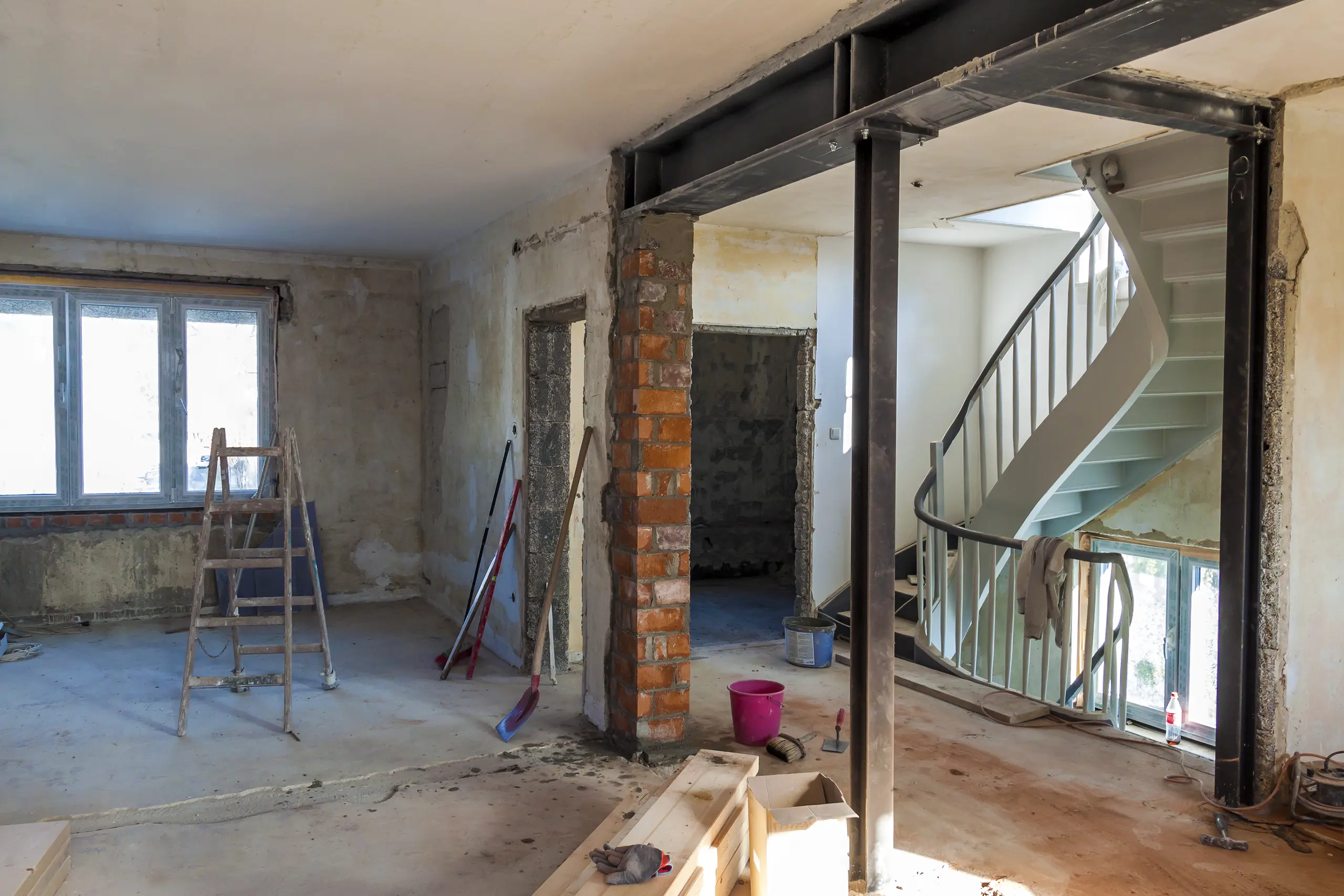
Understanding the architectural design of a building is essential in load bearing wall identification. These walls serve a critical role by supporting the structures above them, such as floors, roofs, and additional walls. Typically, load-bearing walls run perpendicular to floor joists or roof trusses, allowing them to adequately carry the weight of upper structures. A common feature is their strategic placement near the building’s center to ensure optimal support. This orientation is crucial for both the stability and the longevity of the building.
In multi-story buildings, load-bearing walls often align with walls located on adjacent floors, creating a vertical support line throughout the structure. This alignment aids in effective load distribution, ensuring that the building remains safe and structurally sound. While some walls appear to support weight, architectural plans and blueprints provide the most reliable information for load bearing wall identification.
When engaged in renovation projects, recognizing a load-bearing wall can prevent costly structural failures. Typically, these walls are constructed using durable materials such as concrete or brick to withstand the pressures exerted by upper levels. To ensure accuracy in load bearing wall identification, consulting with a structural engineer or professional contractor is highly recommended.
When embarking on home renovation projects, safely identifying a load bearing wall is critical. Begin by examining your home’s floor plan or architectural blueprints, which can reveal whether a wall is load-bearing. Pay particular attention to walls that are perpendicular to floor joists or roof trusses; these are more likely to bear loads. You should also consider the wall’s position concerning the building’s center since load-bearing walls are often found near the center of a structure or aligning with walls on higher floors.
Conducting a visual inspection can also assist in load bearing wall identification. Look for clues such as beams or columns integrated into the wall, as these components often indicate a load-bearing structure. In multi-story homes, check if the wall extends directly above or below another wall or structural element. This alignment can suggest it plays a crucial role in supporting the home.
Despite these indications, DIY assessments should be confirmed by professionals. Engaging a structural engineer or professional contractor can verify your load bearing wall identification efforts. They can ensure that any changes in wall structure comply with building codes and maintain the structural integrity of your home. Always prioritize safety through expert consultation, especially when considering removing or altering walls.
Floor joists play a crucial role in load bearing wall identification, offering vital clues to both homeowners and professionals during renovation projects. Understanding the orientation and alignment of floor joists can help pinpoint which walls support the building’s structural integrity. Typically, load-bearing walls run perpendicular to the floor joists, acting as the primary support for the weight above. By observing the joist layout, especially in unfinished spaces like basements or attics, one can ascertain the presence of load-bearing walls. This understanding is essential to avoid compromising the building’s structure during remodeling.
The location of floor joists offers visual indicators to distinguish load-bearing walls from non-load-bearing ones. For example, if a wall has joists running parallel above, it is likely not load-bearing. Conversely, when joists are perpendicular, they probably rely on that wall for support. It’s essential to verify these observations with architectural plans whenever possible.
While the orientation of floor joists aids in load bearing wall identification, professional consultation should not be overlooked. Structural engineers or experienced contractors provide definitive evaluations, ensuring any alterations do not jeopardize a building’s safety. Relying solely on visual inspection without expertise might lead to structural failures, emphasizing the need for professional guidance.
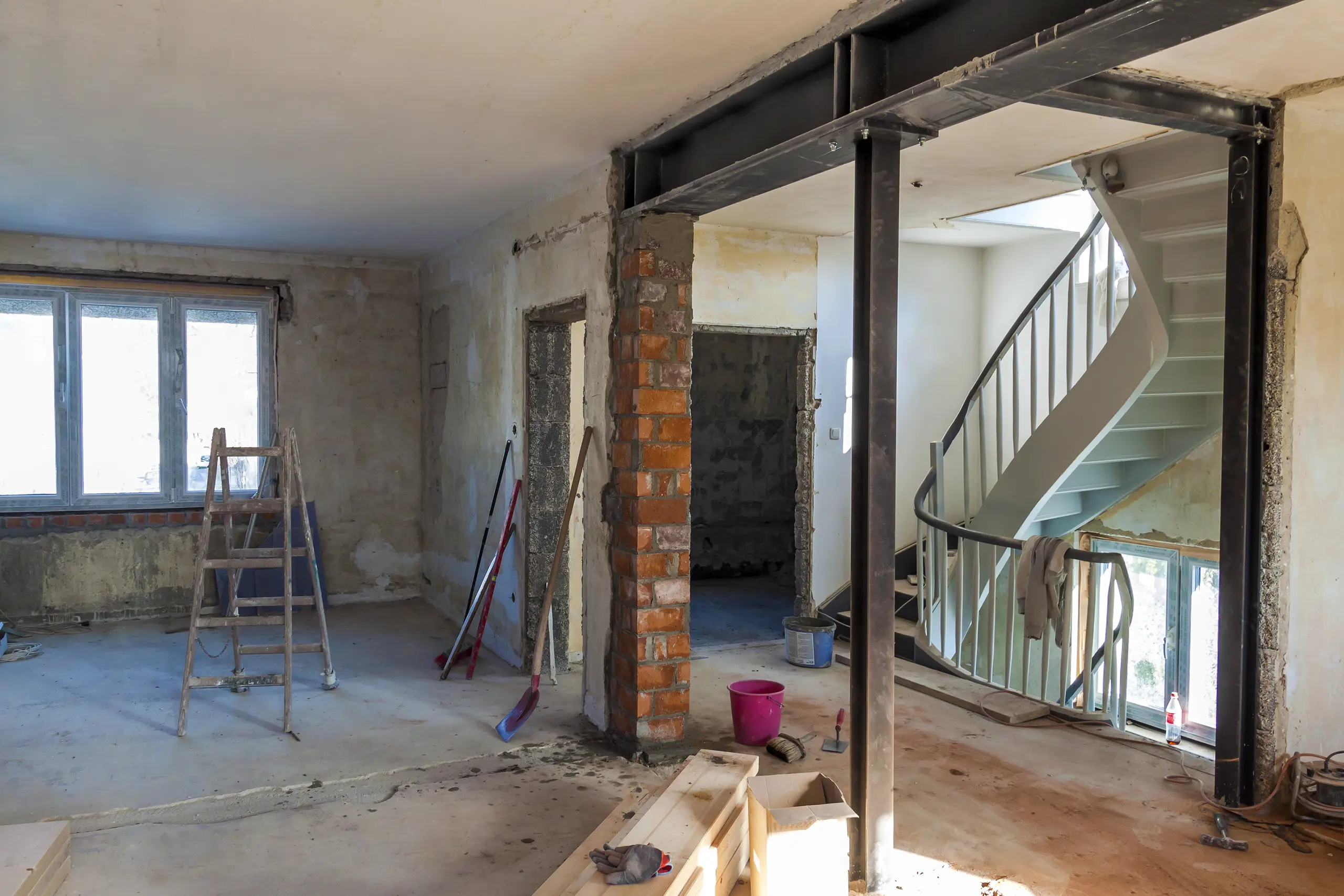
Interpreting blueprints and architectural plans is fundamental for accurate load bearing wall identification. These documents offer a detailed map of a building’s structural framework, making them indispensable during renovation projects. By examining floor plans, individuals can determine which walls are load-bearing, particularly those running perpendicular to floor joists or roof trusses. It’s important to remember that load-bearing walls in multi-story buildings typically align with walls on floors both above and below. Therefore, consulting blueprints ensures the preservation of the building’s structural integrity.
Knowing where to look in blueprints is crucial for load bearing wall identification. Start by identifying the thicker, more prominent lines which usually signal structural walls. Cross-referencing these with architectural elevations can also help verify their load-bearing status. Always remember that these documents are intricate and require a trained eye to decode all nuances effectively.
While blueprints are valuable, they often require professional interpretation. Consulting a structural engineer is advisable when dealing with load bearing wall identification, as they can accurately assess the plans. This ensures that any proposed changes do not compromise the building’s stability. Making informed decisions based on accurate architectural analysis is vital for maintaining safety and compliance with building codes.
Identifying load-bearing walls in multi-story buildings involves a nuanced understanding of the building’s structural framework. Load bearing wall identification requires a thorough assessment of how walls align across different floors, as these walls often carry the weight of the entire structure above them. In multi-level homes or buildings, it is essential to observe the positioning of these walls as they usually match up with walls on adjacent floors, offering a continuous path for weight distribution. This continuity is key to maintaining structural integrity and avoiding potential hazards associated with faulty wall identification.
Careful examination of architectural plans can reveal crucial details about load-bearing wall identification. Plans provide essential insights into the building’s structural design, highlighting which walls are intended to support loads. This documentation often shows the alignment of load-bearing walls, specifically how they intersect with floors and roof structures. By understanding these blueprints, property owners and contractors can accurately identify and preserve critical structural components.
Engaging with a structural engineer is vital for accurate load-bearing wall identification. Professionals have the expertise to determine which walls are essential for structural support. When considering modifications, they can recommend modern solutions such as steel beams to redistribute weight effectively. This expert guidance not only ensures the building meets all safety standards but also helps in maintaining compliance with local building codes and regulations, which is essential in any renovation process.
Many homeowners believe that all walls serve a structural purpose, leading to confusion during load bearing wall identification. This assumption often results in unnecessary caution or missteps during renovation projects. In reality, not all walls support the weight of a building’s structure; some are simply partition walls. Recognizing the difference is vital and can save both time and money.
A common misconception is that a wall’s position relative to floor joists determines its load-bearing status. While it’s true that load-bearing walls are often perpendicular to joists or roof trusses, this is not a universal rule. Many factors, including a building’s specific design and architectural plans, play crucial roles in determining load bearing wall identification. Misjudging a wall’s bearing capacity based on position alone can lead to structural issues.
Many assume that if a wall exists on an upper floor, it must be load-bearing. While multi-story buildings typically align load-bearing walls for structural support, this is not an absolute rule. Architectural nuances and modern construction techniques may alter traditional load distribution. Proper load bearing wall identification requires a thorough analysis, often necessitating a consultation with a professional. These misconceptions highlight the importance of expert guidance in structural changes.

Incorrect load bearing wall identification can lead to severe consequences, potentially jeopardizing a building’s structural integrity. When such walls are misidentified or improperly removed, the load they support might not be correctly redistributed. This oversight can result in sagging floors, cracked walls, or even partial building collapse, posing serious safety risks to occupants. Ensuring accurate load bearing wall identification is crucial for maintaining the safety and stability of any structure.
Removing or altering a load-bearing wall without proper support can have dire implications. Such actions can compromise the building’s ability to withstand its own weight, leading to structural failures. Consulting a structural engineer during load bearing wall identification is essential to avoid these potentially dangerous outcomes.
To mitigate risks associated with load bearing wall identification, it is advisable to engage professional contractors or engineers. They can provide the necessary expertise and always refer to architectural plans when identifying load-bearing elements. Ensuring compliance with building codes helps in safely executing renovation projects.
Attending to load bearing wall identification with diligence not only protects the building but also its inhabitants. Proper evaluation and reinforcement using modern materials such as steel beams can effectively manage load redistribution, preserving the structural integrity during renovations.
Determining which walls in your home are load-bearing is a critical step in any renovation or remodeling project. While it might be tempting to tackle this task independently, consulting with structural engineers or experienced contractors can provide invaluable insight and guidance. These professionals possess the specialized knowledge required for accurate load bearing wall identification. Their expertise ensures that your renovation plans maintain the structural integrity of your building, ultimately protecting you from potential structural failure.
Structural engineers are trained to analyze and design the framework of buildings, making them uniquely qualified for load bearing wall identification. Their in-depth understanding of construction principles allows them to determine which walls support the weight of your home effectively. By engaging these experts, you ensure that your project adheres to current building codes and regulations, an essential consideration when removing or altering any part of a structure.
Experienced contractors bring practical knowledge from years of working on various construction and renovation projects. Their hands-on experience is crucial when it comes to identifying load-bearing walls. They can also offer solutions that incorporate modern construction techniques, such as using steel beams to redistribute loads, allowing for greater design flexibility without compromising structural integrity. Consulting these professionals not only aids in load bearing wall identification but also helps safeguard the success and safety of your project.
Modern construction techniques offer innovative solutions for safely removing or altering load-bearing walls while maintaining structural integrity. The implementation of steel beams is one such technique, allowing for seamless load redistribution during renovation projects. This technology plays a crucial role in contemporary load bearing wall identification processes, ensuring that changes do not compromise a building’s stability. Employing steel beams can effectively support the weight previously held by the wall, providing peace of mind to homeowners and contractors alike.
Using steel beams for load redistribution offers multiple advantages. They are incredibly strong, capable of supporting significant loads. Moreover, they are versatile and can be custom-sized to fit specific needs. Steel beams are also durable, with a long lifespan, which makes them cost-effective in the long run. These benefits make them an ideal choice in load bearing wall identification discussions.
In today’s construction landscape, identifying and addressing load-bearing walls requires precision and expertise. Professional contractors leverage modern tools and architectural plans for accurate load bearing wall identification. This process ensures that engineers can apply appropriate techniques, such as steel beam installation, for effective load distribution.
Ensuring safety during alterations involves several steps. Consulting with a structural engineer is crucial before making any changes. Understanding building codes and regulations ensures compliance and safety. Lastly, continuous monitoring during construction guarantees the structural integrity of the project.
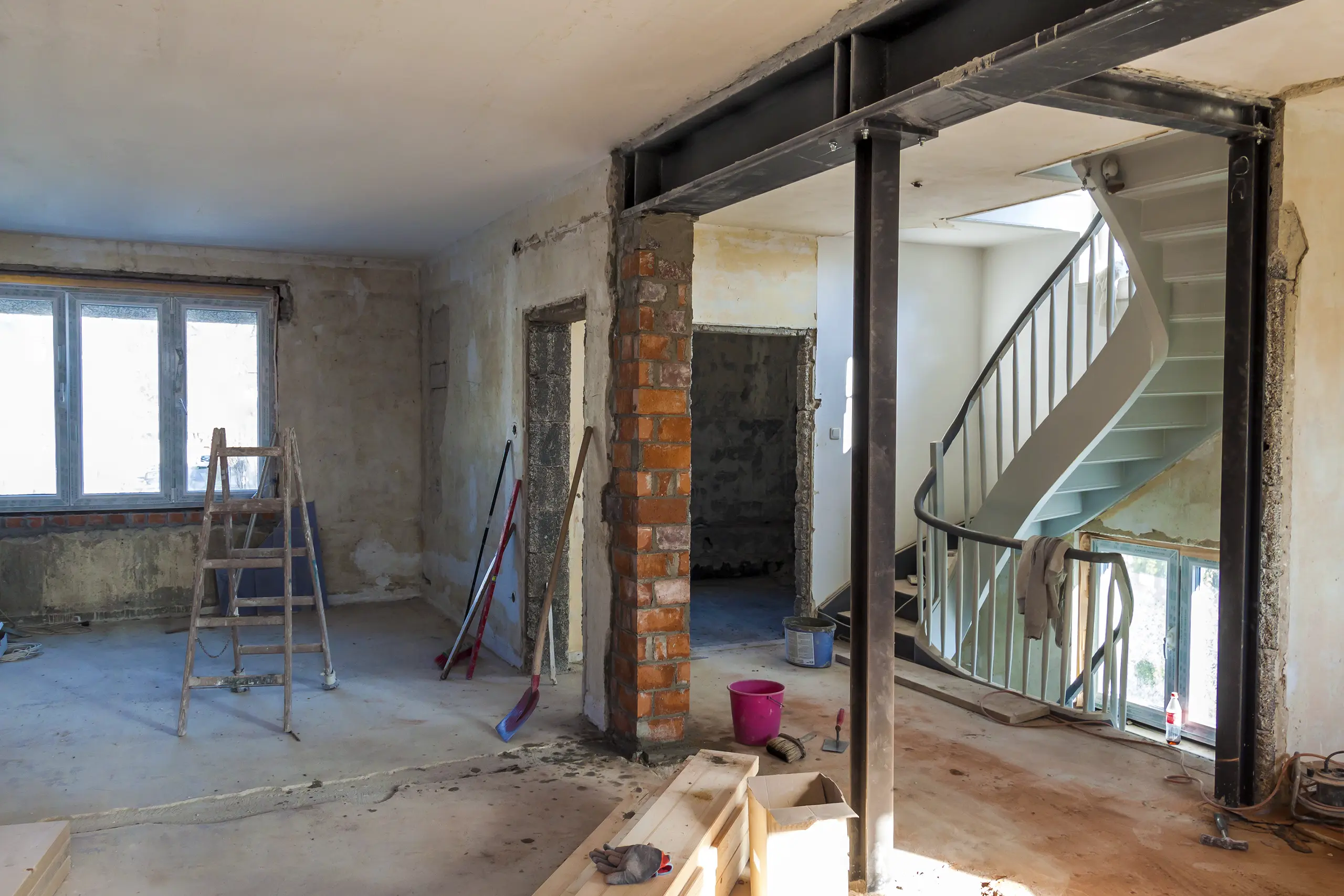
Adhering to building codes and regulations is paramount when undertaking any structural modification involving load-bearing walls. These codes ensure that the essential load-bearing wall identification process is followed correctly to prevent compromising the structural integrity of a building. Compliance with regulations not only guarantees safety but also aligns with legal standards that protect property owners and occupants. By understanding the importance of these codes, you can avoid costly errors and ensure that your renovation project is a success.
Building codes provide a roadmap for safe construction practices. They help identify load-bearing walls to prevent structural damage. Ignoring them can result in penalties or legal disputes.
Proper load-bearing wall identification can prevent accidents or structural failures. Consult with a professional to ensure adherence to building codes. Always verify the latest regulations before initiating construction work.
Ensure any load-bearing wall modifications comply with local codes. Utilize professional services for accurate load-bearing wall identification. Recognize that regulations may vary by location, emphasizing the need for up-to-date information.
Structural engineers play a vital role in the load bearing wall identification process, ensuring the structural stability of a building during renovations or remodels. They thoroughly examine architectural plans and blueprints to confirm which walls support the weight of upper stories or roofs. Engineers also assess the orientation of walls in relation to floor joists and roof trusses, as load-bearing walls are usually perpendicular to these elements and centrally located within the structure.
In multi-story buildings, structural engineers often check the alignment of walls across different levels. This evaluation helps determine if a wall is load-bearing, as such walls generally align vertically from the foundation to the roof. To mitigate risks, engineers also recommend consulting with professionals before making any alterations.
Professional assessment involves conducting on-site inspections to confirm the information present in the blueprints. Engineers utilize advanced tools and techniques to ensure accuracy in load bearing wall identification. This comprehensive evaluation is crucial because removing or altering these walls without proper support can result in structural failure. Engaging with a structural engineer can provide peace of mind in maintaining the building’s integrity.
Understanding these aspects allows for informed decisions in load bearing wall identification, ultimately safeguarding the structural safety of any construction project.